
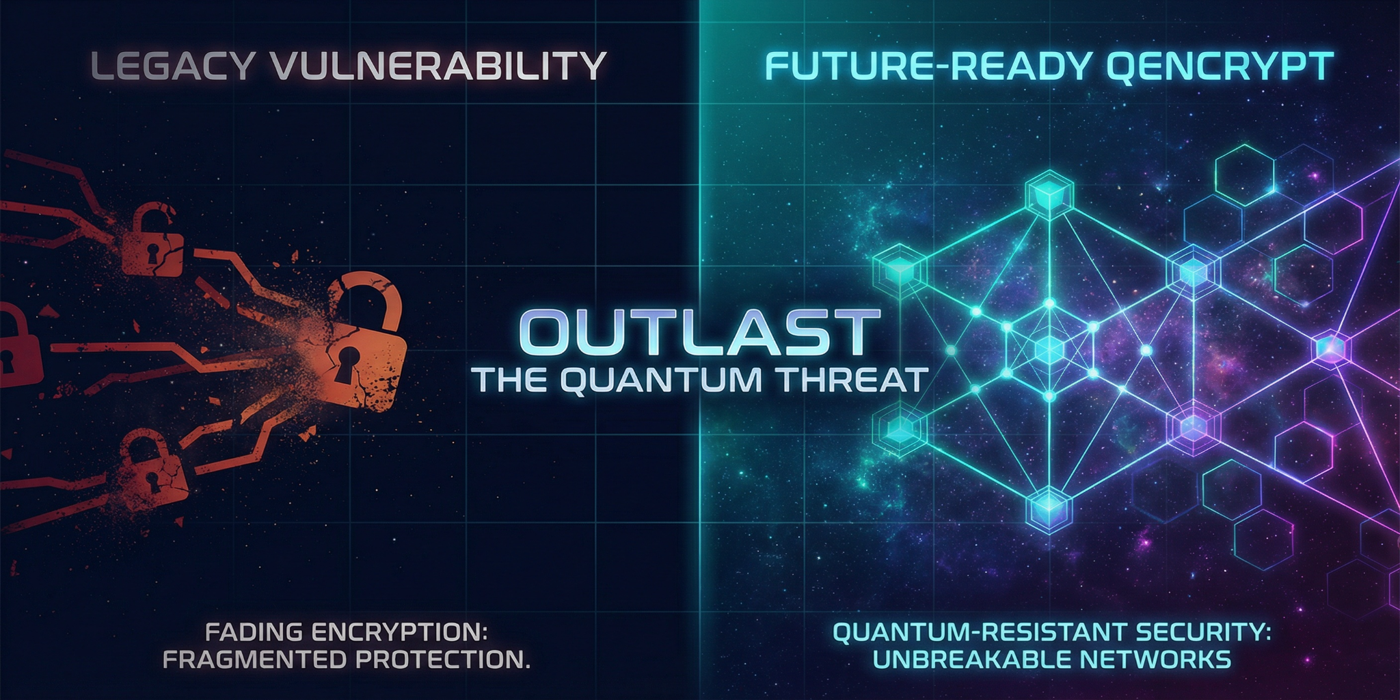
Because quantum encryption is constantly getting better, the usual ways we keep things secret online have some really serious flaws. This piece looks at how post-quantum cryptography (or PQC) and encryption that can withstand quantum computers are being created to protect our information from the dangers quantum computing will bring. Along with the new standards set by NIST for PQC, we’ll go over methods of lattice cryptography, and quantum-safe protective technologies that are building a strong and secure digital world.
Understanding Post-Quantum Cryptography
Because quantum computers are likely to become the most powerful computing option, we really need to get a grip on post-quantum cryptography. These newer computers, with their unbelievably high ability to compute, are a very real danger to the security systems we currently rely on. To illustrate, Shor’s algorithm can break down very large numbers into their factors far, far faster than the ways we do it now, and this puts popular encryption methods like RSA and ECC at risk. Grover’s algorithm isn’t quite as dramatic, but it does cut the effectiveness of symmetric encryption in half. Experts predict “Q-Day” which is when quantum computers will be able to easily break our existing encryption, and this underlines how quickly we need new ways to defend ourselves.
Preparing for Quantum Security: Building Resilient Algorithms for the Future
The heart of post-quantum cryptography is concentrating on algorithms that are built to withstand attacks from quantum computers. These algorithms rely on complex mathematical problems that even quantum machines can’t solve, and they’re meant to protect private information from these future weaknesses. Switching to encryption that can survive a quantum attack isn’t just a good precaution, it’s a vital step forward for cybersecurity. Preparing for Q-Day isn’t only about creating algorithms that will hold up, but also ensuring they can be used with the systems we have now, so our information stays safe as quantum computing gets more sophisticated. We need to be proactive and do something now, or we will compromise the safety and accuracy of data for a very long time in the future with quantum computers.
Exploring Quantum-Resistant Algorithms
Looking at ways to protect ourselves from the cybersecurity dangers of quantum technology is a very interesting area of research, and it’s called post-quantum cryptography. Standard encryption methods could be broken by quantum computing, but these new algorithms use very complicated math that even quantum computers would have a tremendously hard time with. This means your private information will be safe now and in the future.
The Rise of Post-Quantum Cryptography
These post-quantum algorithms are really quite different from how encryption is usually done. Traditional encryption relies on how difficult it is to factor large numbers or to solve discrete log problems, and quantum computers are good at those. Instead, post-quantum security uses different mathematical ideas, like lattice cryptography, methods based on hashes and schemes based on codes. These in turn depend on complicated problems to solve, things like the Shortest Vector Problem (SVP) or the LWE cryptographic challenge, and these are designed to withstand cyberattacks using quantum computers.
Key Differences from Classical Encryption Techniques
Lots of different types of encryption ‘building blocks’ are being designed within this field. Digital signatures confirm data hasn’in been altered and that it’s really from who it says it is, while key encapsulation mechanisms keep your encryption keys secret. In fact, creating encryption that works with quantum computers isn’t just about defending ourselves; it’s about planning ahead to make sure sensitive information is secure as technology changes.
Embracing Quantum-Safe Encryption
Because we live in a very digital world, using post-quantum cryptography is now a necessity. Quantum computers are coming, and they will break most of the usual security systems we rely on. So, organizations are using post-quantum cryptography to make their protection much stronger. They are focusing on ways of encrypting things, using post-quantum cryptography in those methods, to keep information both secret and complete.
NIST’s Role in Advancing Post-Quantum Cryptography
- NIST holds a crucial position in defining the future of digital security by advancing post-quantum cryptography.
- Acknowledging the risks that quantum cryptography advancements pose to existing cryptographic infrastructures, NIST launched an extensive NIST PQC standards initiative.
The NIST PQC Standards Initiative
- This multi-stage process began with a global call to cryptography experts to propose candidate quantum-resistant encryption algorithms.
- Several evaluation rounds followed, subjecting numerous submissions to stringent analysis before selecting a set of finalists.
The Finalists: Pioneering Quantum-Resistant Cryptography
- The selected finalists showcase the forefront of cryptographic progress, engineered to endure quantum-enabled cybersecurity risks that threaten current encryption methods.
- The NIST quantum-resistant cryptography standards are expected to steer worldwide cryptographic infrastructures toward more fortified systems.
The Path to Implementing Post-Quantum Cryptography
- By defining these protocols, NIST not only facilitates the broad implementation of quantum-safe security solutions but also lays the groundwork for a smooth transition to post-quantum cryptography.
- This shift is vital for protecting sensitive information across sectors, ensuring security measures remain effective against emerging threats.

The Role of Lattice-Based Cryptography
Because quantum computers will likely break many of the ways we currently keep things secure, lattice cryptography is really important for creating security that will hold up in the future. What makes this type of cryptography work are complicated mathematical structures called lattices. The LWE problem, a difficult puzzle within that system, is a key to how well it protects information. Lattice cryptography is special because it will defend against attacks from both quantum computers and the usual kinds of hacking, and it’s going to be a necessary part of security for the future.
Lattice-Based Cryptography: Defending Against Quantum Threats with Mathematical Complexity
The LWE problem and similar ones are hard to solve because of complicated math related to lattices, and this is true even if you use very powerful quantum computers. Because of these complicated problems, lattice-based cryptography (a way of securing data) stays strong, which is different from other types of encryption that quantum computing will break. Essentially, this means your information will continue to be protected from being unlocked by any new, faster computer that gets invented.
Lattice-Driven Cryptography: Empowering Secure and Efficient Operations in a Quantum-Ready World
Lattice cryptography is flexible and works with many different methods, including fully homomorphic encryption. This allows you to actually do things with data while it’s encrypted, you don’t have to unlock it first. Because of this, these systems are much more secure and also do a better job of being useful in fast-changing areas of technology and in all sorts of businesses. As quantum computers get better and start to be able to break current encryption, lattice cryptography is looking more and more like the basic way we’ll protect important details.
Anticipating Quantum Computing Threats
Quantum computing is about to dramatically change technology, yet at the same time it creates big problems for the way we currently keep things secret. Instead of using bits like regular computers, quantum computers use qubits that are entangled and can be in multiple states at once, and because of this, they can solve really complicated issues very quickly. Most worrying is that they could easily break many of the encryptions we use all the time, including RSA and ECC (Elliptic Curve Cryptography). These rely on how difficult it is to find the factors of a really big number or to solve problems with discrete logarithms; a quantum computer with Shor’s algorithm can do these with no difficulty. Given that so much of online security today is built on these encryption methods, the fact that quantum computers can compromise them means we absolutely have to start updating things now.
Advancing Post-Quantum Cryptography: Building Resilient Algorithms to Protect Data Privacy in the Quantum Age
Because of this, the world of cryptography is quickly increasing work on post-quantum cryptography (ways of keeping things secret that will work when quantum computers are around). This means creating new algorithms designed to withstand security problems created by quantum computers, and in doing so, continuing to protect data’s privacy and safety from these new threats. The methods used are all over the map, including cryptography based on coding and cryptography based on hashing, and offering multiple layers of protection so that if one system falls apart, others are still effective. To get these post-quantum cryptography systems in place successfully, we need a lot of flexibility in cryptography, and experts are being pushed to combine the newest ideas with actual use of the systems to really protect important data against weaknesses that quantum computers will eventually exploit.
Conclusion:
Post-quantum cryptography is a smart way to protect information as quantum computers become more and more of a reality. If companies follow the post-quantum cryptography instructions from NIST and start using encryption that quantum computers can’t break, they’ll make their online communications safer. And as we get further into the time of quantum computing, focusing on cryptographic systems that are based on lattices, with encryption that’s secure against quantum attacks, will give us strong defense against the cybersecurity problems quantum technology will cause.